
Best smart thermostats for different HVAC configurations depends heavily on your home’s HVAC configuration. A thermostat designed for a basic single-stage furnace and air conditioner may not be suitable for a heat pump, multi-stage HVAC system, dual-fuel setup, radiant heating system, Long Term Use, zoned HVAC, or equipment with humidifiers and dehumidifiers.
Modern smart thermostats can provide features such as automatic scheduling, remote control, energy management, room sensing, heat-pump control, multi-stage operation, and HVAC accessory control. However, these features are only useful when the thermostat is compatible with the equipment installed in your home.
For example, the current Google Nest Learning Thermostat (4th gen) supports most 24V systems, including gas, electric, oil, forced-air, heat-pump, and radiant systems. It supports up to three conventional heating stages, two cooling stages, heat-pump heating with auxiliary and emergency heat, and compatible humidification, dehumidification, and ventilation equipment.
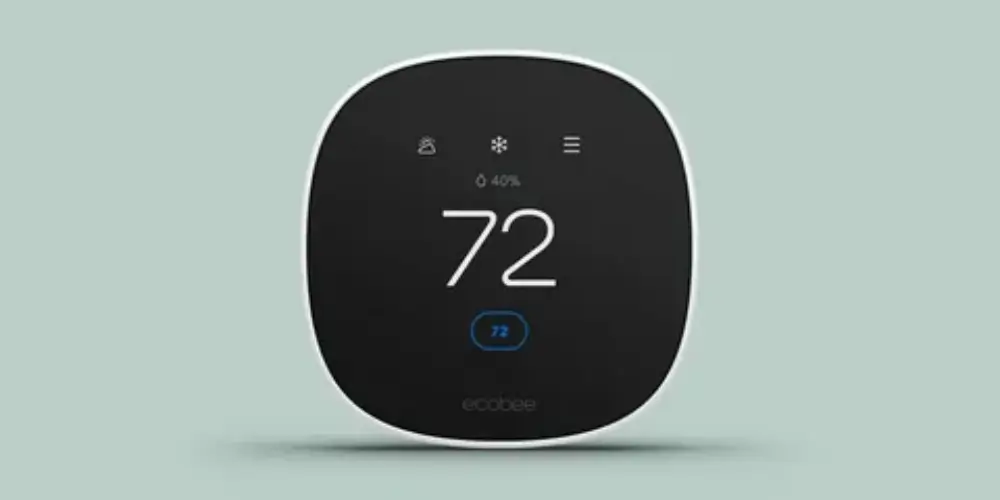
The ecobee Smart Thermostat Enhanced is another broad-compatibility option, supporting most 24VAC HVAC equipment, including conventional systems, heat pumps with auxiliary heat, boilers, PTACs, and compatible HVAC accessories.
Before purchasing, identify your heating type, cooling type, number of stages, heat-pump configuration, C-wire requirements, zoning, and HVAC accessories.
1
Quick Comparison Of Best Smart Thermostat
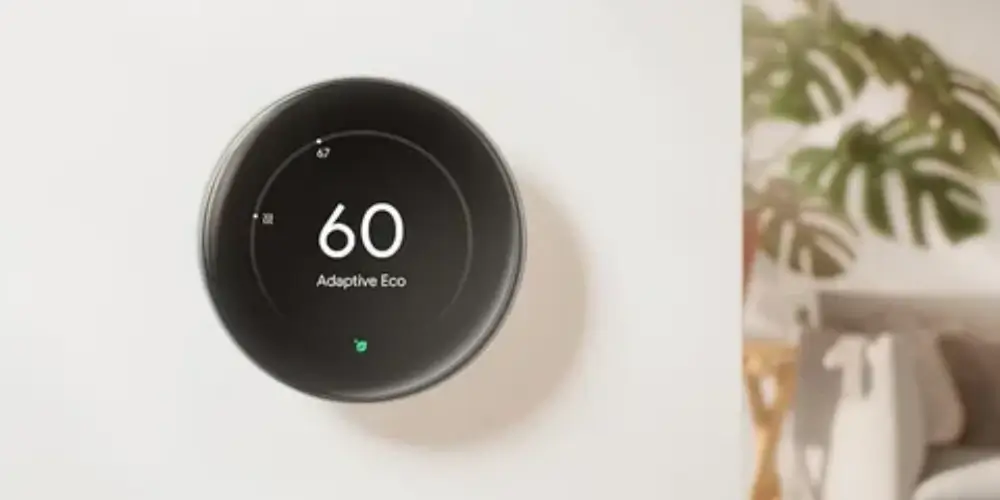
Google Nest Learning Thermostat Best Overall for Different HVAC Configurations
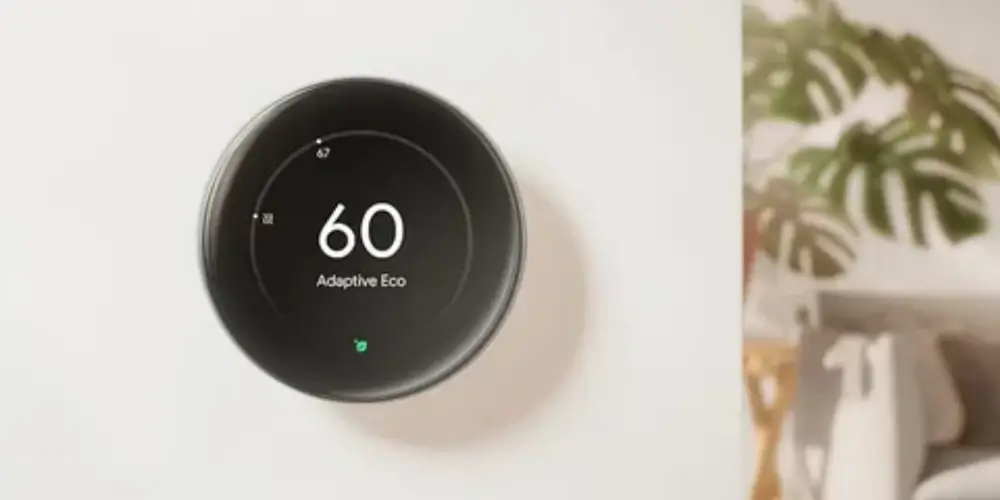
The Google Nest Learning Thermostat is one of the most flexible choices for homeowners who have different types of heating and cooling equipment.
The current 4th-generation model works with most 24V systems, including:
- Gas systems
- Electric systems
- Oil systems
- Forced-air systems
- Heat pumps
- Radiant systems
It can control up to three conventional heating stages, two cooling stages, heat-pump heating with auxiliary and emergency heat, and compatible humidifiers, dehumidifiers, and ventilation systems.
Best for: Homeowners who want one advanced thermostat that can support a wide range of HVAC configurations
Key Features & Technology
★
Learning Technology
Learns your preferred temperatures and routine to automatically adjust settings over time.
★
Auto-Scheduling
Creates temperature schedules based on your daily habits and selected preferences.
★
Remote Control
Lets you monitor and adjust your home’s temperature through the Google Home app.
★
Energy-Saving Features
Provides energy-saving features that can help reduce unnecessary heating and cooling.
Ecobee Smart Thermostat Enhanced Best for Multiple HVAC Configurations
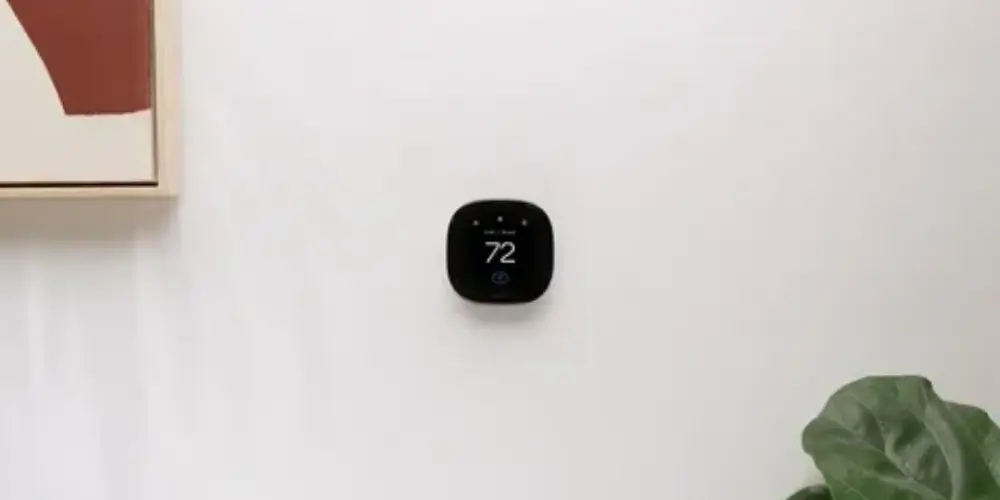
ecobee states that the model works with most 24VAC HVAC equipment, including 2H/2C conventional systems, heat pumps with auxiliary heat, boilers, PTACs, and fan-coil systems with up to three fan speeds. It can also control compatible humidifiers, dehumidifiers, and ventilators.
Best for: Homeowners who want a flexible smart thermostat for a variety of HVAC configurations.
Key Features & Technology
★
Smart Temperature Control
Automatically manages indoor temperature according to your selected settings and schedule.
★
Room Sensor Support
Compatible sensors can provide temperature information from different rooms in your home.
★
Energy Saving
Scheduling and smart temperature adjustments can help reduce unnecessary energy consumption.
★
Remote App Control
Allows you to change thermostat settings remotely using the ecobee mobile app.
Google Nest Thermostat Best for Basic HVAC Configurations
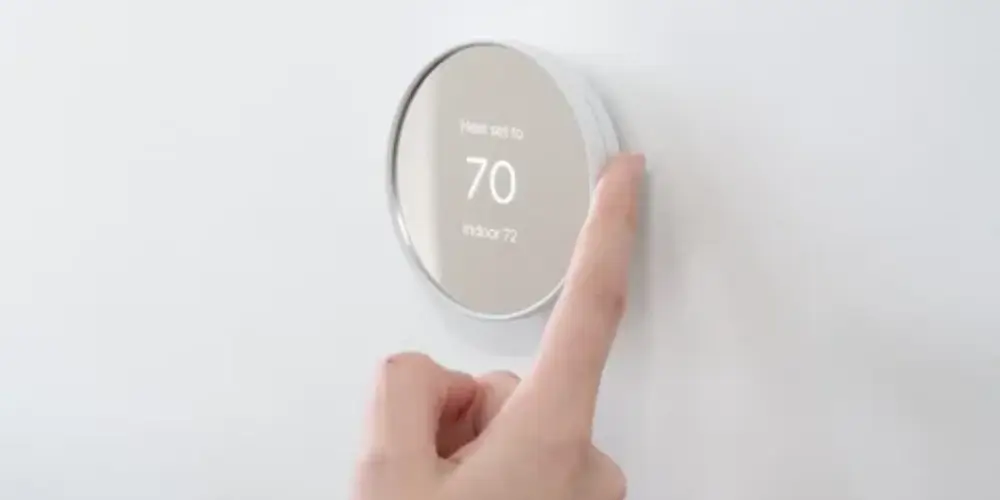
The Google Nest Thermostat is better suited to simpler HVAC systems than the more advanced Learning Thermostat.
It supports many common 24V heating and cooling systems, including:
- Furnaces
- Air conditioners
- Boilers
- Heat pumps
- Forced-air systems
- Radiant systems
It supports one heating stage and one cooling stage, plus a second stage of either heating or cooling. Compatible heat-pump systems can also use auxiliary or emergency heat.
Best for: Homes with straightforward single-stage heating and cooling.
Key Features & Technology
★
Programmable Scheduling
Allows you to set temperature schedules for different times of the day.
★
Remote Control
Lets you adjust temperature settings remotely through the Google Home app.
★
Energy Saving
Includes features designed to help reduce unnecessary heating and cooling.
★
Google Home Support
Connects with the Google Home ecosystem for centralized smart-home control.
Ecobee Smart Thermostat Premium Best for Advanced HVAC
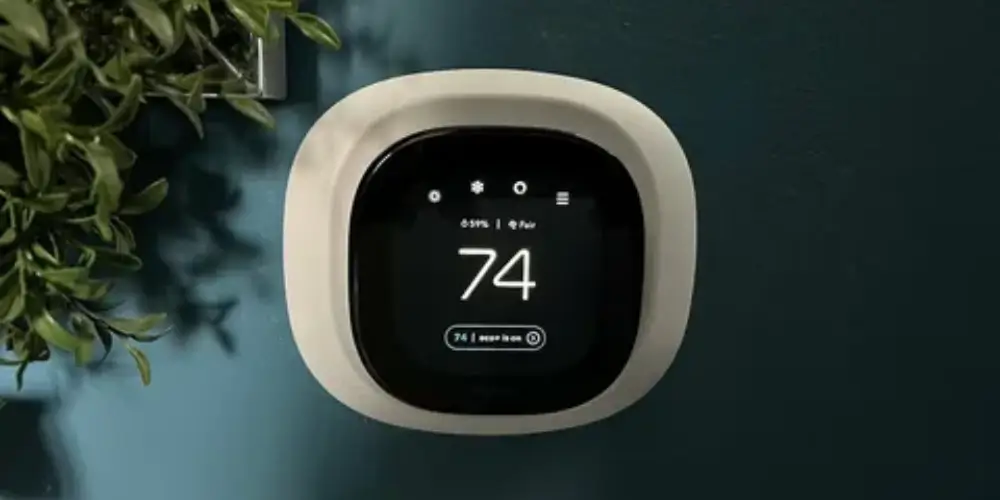
The ecobee Smart Thermostat Premium is designed for homeowners who want advanced comfort management in addition to smart HVAC control.
It can be especially useful when the home has multiple rooms with different temperatures.
Best for: Advanced HVAC setups and homes where room-level comfort is important.
Key Features & Technology
★
Built-In Smart Sensor
Uses built-in sensing capabilities to help monitor temperature and home conditions.
★
Occupancy Detection
Detects room occupancy to help adjust comfort settings according to room usage.
★
Remote Control
Allows you to monitor and control your thermostat through the ecobee app.
★
Energy Saving
Smart schedules and temperature adjustments can help manage energy consumption.
Honeywell Home T9 Best for Multi-Room HVAC Configurations
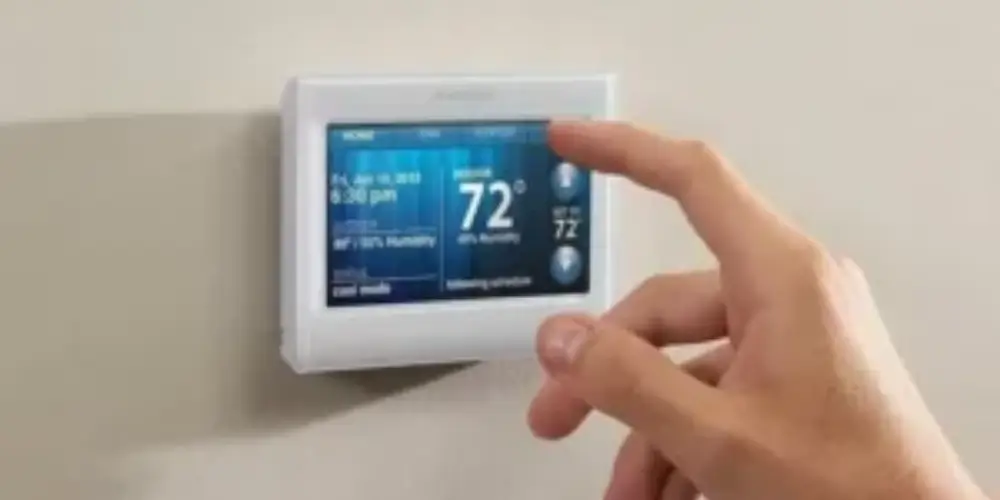
The Honeywell Home T9 is a useful option for homes where the temperature at the main thermostat doesn’t represent the temperature in other rooms.
Its remote room-sensor approach makes it suitable for:
- Multi-story homes
- Large houses
- Bedrooms
- Home offices
- Rooms with hot or cold spots
Best for: HVAC systems where room-to-room temperature differences are a major concern.
Key Features & Technology
★
Smart Room Sensors
Uses room sensors to monitor temperatures in different areas of your home.
★
Multi-Room Control
Helps prioritize temperature settings in selected rooms for more personalized comfort.
★
Custom Scheduling
Allows you to create temperature schedules according to your daily routine.
★
Remote App Control
Lets you monitor and adjust thermostat settings remotely using the compatible app.
Sensi Smart Thermostat Best for Conventional HVAC
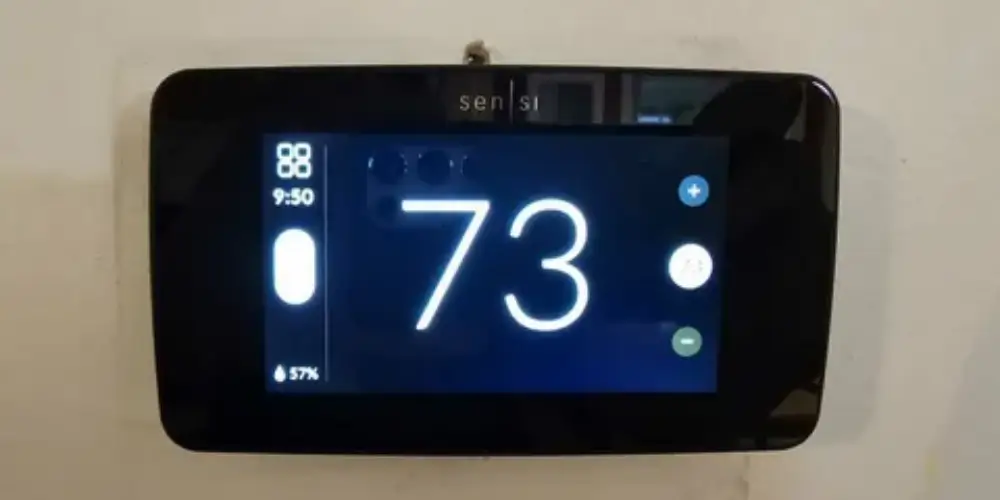
A Sensi Smart Thermostat can be a practical option for conventional heating and cooling systems.
It focuses on straightforward smart control rather than an extensive set of advanced HVAC functions.
Best for: Single-stage or relatively straightforward HVAC configurations.
Key Features & Technology
★
Wi-Fi Connectivity
Connects to your home Wi-Fi network for remote access and smart controls.
★
Programmable Scheduling
You can set temperature schedules that automatically change throughout the day.
★
Remote Control
The mobile app lets you adjust your home’s temperature from a compatible smartphone.
★
Energy-Saving Features
Scheduling and temperature adjustments can help avoid unnecessary heating and cooling.
Heat Pump-Compatible Smart Thermostat Best for Heat Pump Systems
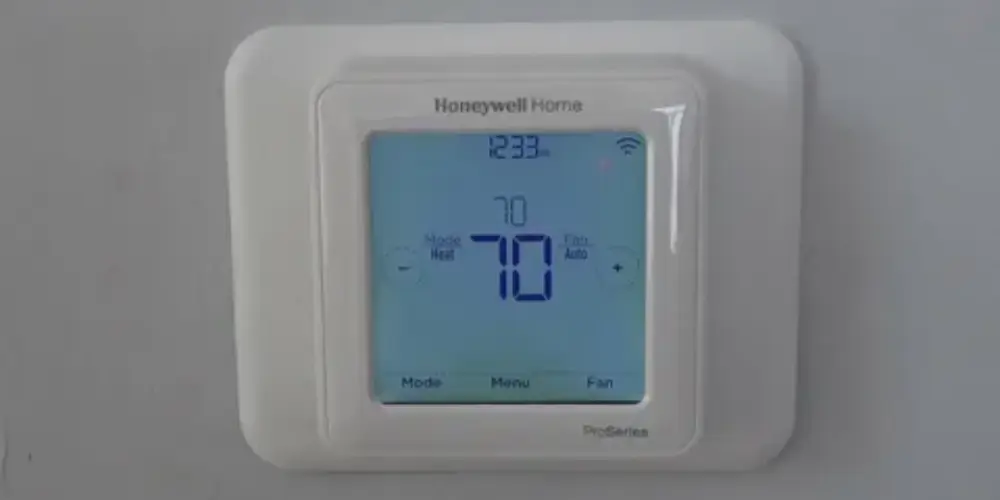
A multi-stage smart thermostat is designed for HVAC systems that have more than one heating or cooling stage.
For example:
Stage 1
Provides lower-level heating or cooling for normal conditions.
Stage 2
Provides additional capacity when the home needs faster or stronger heating or cooling.
Google explains that multi-stage systems can use lower stages for longer operation and higher stages when greater capacity is needed.
The Nest Learning Thermostat (4th gen) supports up to three stages of conventional heating and two stages of cooling.
Best for: Two-stage or multi-stage furnaces, heat pumps, and air conditioners.
Key Features & Technology
★
Heat Pump Support
Designed to work with compatible heat-pump heating and cooling systems.
★
Heating And Cooling
Manages both heating and cooling cycles for year-round indoor comfort.
★
Energy Efficiency
Helps optimize system operation to reduce unnecessary heating and cooling energy use.
★
Smart Scheduling
Allows temperature schedules to match your daily routine and comfort preferences.
Multi-Stage Smart Thermostat Best for Multi-Stage HVAC Systems
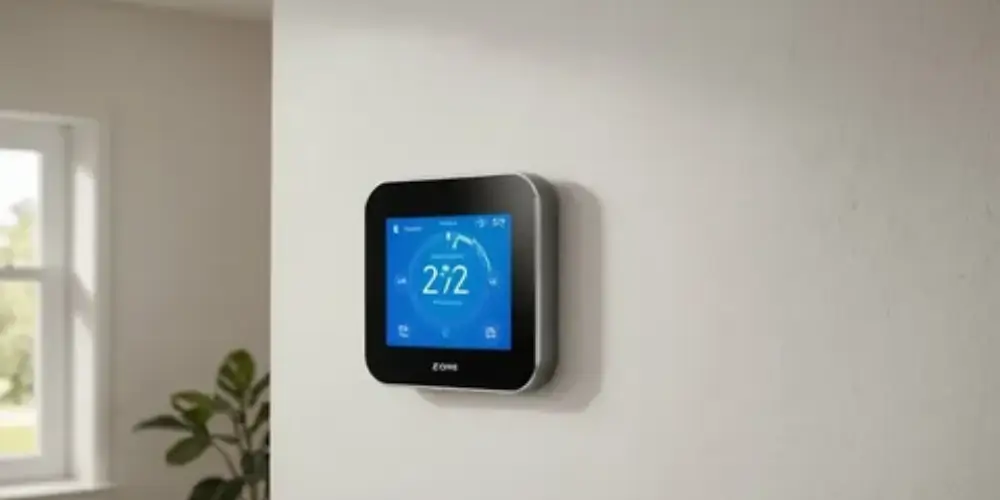
A multi-stage smart thermostat is designed for HVAC systems that have more than one heating or cooling stage.
For example:
Stage 1
Provides lower-level heating or cooling for normal conditions.
Stage 2
Provides additional capacity when the home needs faster or stronger heating or cooling.
Google explains that multi-stage systems can use lower stages for longer operation and higher stages when greater capacity is needed.
The Nest Learning Thermostat (4th gen) supports up to three stages of conventional heating and two stages of cooling.
Best for: Two-stage or multi-stage furnaces, heat pumps, and air conditioners.
Key Features & Technology
★
Multi-Stage HVAC Support
Designed to control HVAC systems with multiple heating or cooling stages.
★
Precise Temperature Control
Uses staged operation to help maintain a more consistent indoor temperature.
★
Smart Scheduling
Allows different temperature settings to be programmed for various times of the day.
★
Energy Optimization
Can use different HVAC stages to help avoid unnecessary system operation.
Dual-Fuel Smart Thermostat Best for Heat Pump + Furnace Systems
A dual-fuel HVAC system combines a heat pump with a separate furnace.
The heat pump typically handles normal heating conditions, while the furnace can provide additional heating when required.
Compatible Nest thermostats support dual-fuel configurations, but Google recommends professional installation because incorrect configuration can damage the HVAC equipment.
Best for: Homes with a heat pump and gas or oil furnace.
Key Features & Tecnology
★
Dual-Fuel Support
Designed for systems that combine a heat pump with a secondary heating source.
★
Automatic System Switching
Can switch between heating sources according to system settings and conditions.
★
Energy Optimization
Helps manage the two heating sources efficiently based on operating requirements.
★
Smart Scheduling
Allows customized temperature schedules for different times and routines.
Radiant-Heating-Compatible Smart Thermostat Best for Radiant Heating Systems
Radiant heating systems operate differently from conventional forced-air systems.
They can include:
- Radiant floors
- Hydronic heating
- Radiators
- Electric radiant systems
A thermostat must specifically support the particular radiant configuration.
Google’s System Match includes a True Radiant feature for compatible systems to help manage radiant heating schedules.
Best for: Homes using compatible radiant floor or radiator-based heating.
Key Features & Technology
★
Radiant Heating Support
Designed to work with compatible radiant floor or hydronic heating systems.
★
Precise Temperature Control
Helps maintain the desired indoor temperature with controlled heating cycles.
★
Floor Heating Compatibility
Suitable models can manage compatible underfloor heating systems.
★
Programmable Scheduling
Allows heating schedules to be set around your daily routine.
Best Smart Thermostats by HVAC Configuration
| HVAC Configuration | Best Choice |
| Single-Stage Furnace + AC | Google Nest Thermostat |
| Advanced Conventional HVAC | Google Nest Learning Thermostat |
| Two-Stage Furnace | Multi-stage smart thermostat |
| Two-Stage AC | Multi-stage smart thermostat |
| Heat Pump | Heat-pump-compatible thermostat |
| Dual Fuel | Dual-fuel-compatible thermostat |
| Radiant Heating | Radiant-compatible thermostat |
| Boiler | Boiler-compatible smart thermostat |
| Multi-Room HVAC | Sensor-compatible thermostat |
| Multi-Zone HVAC | Zoned smart thermostat |
| Humidifier/Dehumidifier | HVAC-accessory-compatible thermostat |
| PTAC/Fan Coil | Compatible PTAC/fan-coil thermostat |
Buying Guides
Identify Your HVAC Configuration
Before purchasing, determine whether your home uses:
- Conventional furnace
- Central air conditioner
- Heat pump
- Dual-fuel system
- Boiler
- Radiant heating
- PTAC
- Fan-coil system
- Multi-zone HVAC
The thermostat should be selected after identifying the HVAC configuration.
Check the Number of Heating Stages
Look for terminals such as:
- W1
- W2
- W3
A single-stage furnace may only use W1, while multi-stage equipment can have additional heating connections.
The thermostat must support the number of stages your system requires.
Check the Number of Cooling Stages
Cooling systems may use:
- Y1
- Y2
If your air conditioner has two cooling stages, make sure the thermostat supports two-stage cooling.
Identify Heat Pump Wiring
Heat pumps commonly use an O/B connection for the reversing valve.
You may also see:
- AUX
- E
- Y
- G
- C
- R
Never identify these wires by color alone.
Use the terminal labels and HVAC documentation.
Check for Auxiliary Heat
Some heat pumps use auxiliary heat when the heat pump cannot provide enough heating capacity.
If your system has AUX heat, the thermostat must support it.
Check for Emergency Heat
Emergency heat is a separate mode on applicable heat-pump systems.
If your system has an emergency heat function, verify that the thermostat supports the required configuration.
Check for Dual Fuel
If your home has:
Heat pump + furnace
you likely have a dual-fuel system.
This requires a thermostat that specifically supports dual-fuel operation.
Professional installation may be recommended because incorrect configuration can damage the equipment.
Check for a C-Wire
A C-wire provides a continuous power path for compatible thermostats.
Not every HVAC system has one.
Google states that some Nest installations may require a C-wire or Nest Power Connector, while ecobee’s Smart Thermostat Enhanced includes a Power Extender Kit for installation in most homes without a C-wire.
Check for HVAC Accessories
If your HVAC system includes:
- Humidifier
- Dehumidifier
- Ventilator
- HRV
- ERV
make sure the thermostat supports the accessory.
Check for Multiple Fan Speeds
Some advanced HVAC systems use multiple fan speeds.
Not every smart thermostat supports them.
Google’s compatibility information shows that support for multiple fan speeds varies between Nest models.
Consider Room Sensors
If your home has:
- Multiple floors
- Hot and cold spots
- Large rooms
- Bedrooms with different temperatures
a thermostat with remote room sensors can provide more useful temperature information.
Check Zoning Compatibility
If your home has dampers and multiple HVAC zones, verify that the thermostat is compatible with the specific zoning equipment.
Don’t assume that multiple thermostats can simply be replaced with one smart thermostat.
Check Voltage
Most smart thermostats discussed in this category are designed for compatible low-voltage HVAC systems.
The Google Nest Learning Thermostat (4th gen), for example, is specified for 20–30VAC systems.
Line-voltage heating systems require appropriately designed thermostats.
Use the Manufacturer’s Compatibility Checker
This is one of the most important steps.
Google provides a Nest compatibility checker that can determine whether a system is compatible and provide a custom wiring guide.
ecobee also provides a dedicated thermostat compatibility checker for its products.
Don’t Choose Based Only on Smart Features
Features such as:
- Voice control
- Smartphone apps
- Energy reports
- Learning
- Sensors
are useful, but HVAC compatibility comes first.
A basic thermostat that properly controls your HVAC system is better than an advanced thermostat that isn’t compatible.