 Skip to content
Smart thermostats with energy management features help homeowners control heating and cooling more efficiently. They can follow schedules, adjust temperatures when the home is empty, and provide energy reports.
The right thermostat depends on your HVAC system, daily routine, budget, and comfort needs. Some models learn your preferences, while others focus on simple scheduling and remote control. Compatible room sensors can also help manage temperature differences between rooms.
ENERGY STAR certification is another useful factor to consider. It provides an independent benchmark for eligible smart thermostats based on energy-saving performance requirements.
Energy management is especially important because heating and cooling can represent a significant portion of household energy use. ENERGY STAR recommends certified smart thermostats because they are independently evaluated using real-world data for energy-saving performance. ENERGY STAR-certified models can include features such as learning schedules, geofencing, occupancy detection, Smart Thermostat With Essential Features remote control, energy-use reporting, and utility demand-response programs.
The ecobee Smart Thermostat Premium is another strong option for energy-conscious households because of its occupancy-aware comfort management, room sensors, scheduling, and energy-focused features. Independent comparisons have also highlighted ecobee Premium’s advanced sensors and smart-home capabilities.
1
Quick Comparison Of Best Smart Thermostat
Google Nest Learning Thermostat (4th Gen) Best Overall for Energy Management

The Google Nest Learning Thermostat (4th Gen) is worth considering if you want automated temperature control and energy-use information.
Its features include learning tools, scheduling, Eco Temperatures, and Energy History. Available functions depend on the device setup and compatible services.
Energy Management Features
Learning and scheduling: The thermostat can learn from temperature adjustments and help create a schedule that suits your routine.
Eco Temperatures: Compatible settings can reduce heating or cooling when the home is empty.
Energy History: Review HVAC runtime information to understand when your system operates and how usage changes.
Remote control: Use compatible app features to adjust settings when your plans change.
Best for: Homeowners who want automated scheduling and energy-use feedback.
Key Features & Technology
★
Automatic learning
Learns your temperature preferences and adjusts settings automatically.
★
Smart scheduling
Creates temperature schedules based on your daily routine.
★
Room sensors
Monitors temperatures in different rooms for better comfort.
★
Energy monitoring
Helps you track and manage energy use.
ecobee Smart Thermostat Premium Best for Advanced Energy Management
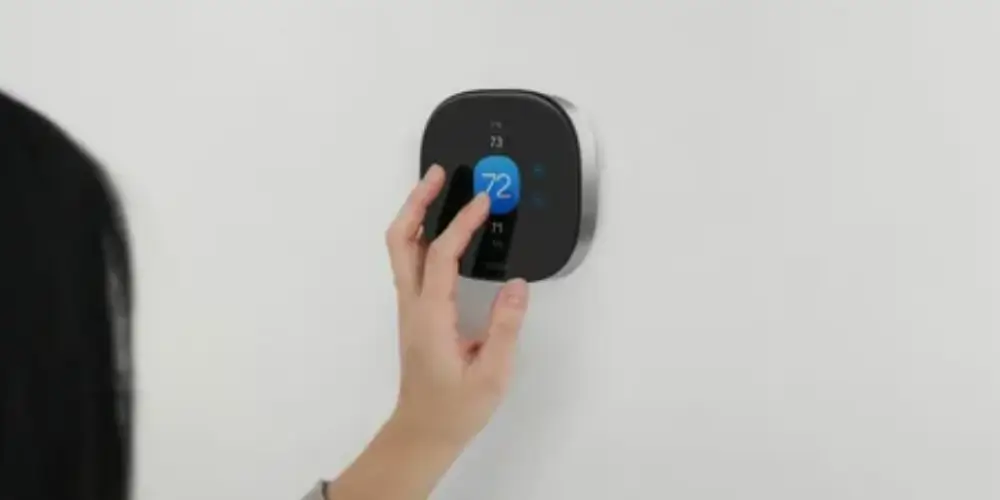
The ecobee Smart Thermostat Premium is an option for homeowners who want advanced comfort controls and compatible room sensors.
Its SmartSensor system can provide additional temperature information from supported rooms. Depending on the setup, occupancy information can also help the system respond to household activity.
Energy Management Features
Room sensors: Compatible sensors help the system account for temperatures in selected rooms.
Scheduling: Set different temperatures for different times of day.
Occupancy features: Supported functions can help adjust comfort settings when people leave or return.
Remote access: Manage temperature settings through compatible app features.
Best for: Households that want room-level comfort management and advanced controls.
Key Features & Technology
★
Occupancy sensing
Detects when people are present in your home.
★
Room sensors
Monitors temperatures in different rooms.
★
Air-quality monitoring
Helps you monitor indoor air quality.
★
Smart scheduling
Creates schedules according to your routine.
ecobee Smart Thermostat Enhanced Best for Balanced Energy Features

The ecobee Smart Thermostat Enhanced offers a balance of smart controls and everyday convenience.
It is worth comparing if you want scheduled temperature changes and remote access without choosing a model solely for its premium features.
Energy Management Features
- Smart scheduling: Set temperatures for different times of day.
- Remote adjustments: Change settings through a compatible app.
- Energy-conscious settings: Adjust your schedule to reduce unnecessary heating and cooling.
- Sensor compatibility: Check the manufacturer’s current specifications for supported accessories and functions.
Best for: Homeowners who want practical smart controls for everyday use.
Key Features & Technology
★
Smart scheduling
Lets you create temperature schedules for your routine.
★
Occupancy detection
Detects when your home is occupied.
★
Room sensors
Helps monitor temperatures in different rooms.
★
Remote control
Lets you adjust settings from anywhere.

The Google Nest Thermostat is a simpler option for homeowners who want smart temperature control without all the learning features of the Nest Learning Thermostat.
Compatible Nest functions can help adjust temperatures when the home is empty. You can also use supported app controls to manage settings remotely.
Energy Management Features
Scheduling: Set temperature changes around your daily routine.
Eco settings: Use supported energy-saving settings when you do not need your usual comfort temperature.
Remote control: Make adjustments when your plans change.
Best for: First-time buyers who want straightforward smart temperature control.
Key Features & Technology
★
Smart scheduling
Lets you create temperature schedules for different times.
★
Remote control
Lets you adjust temperature settings remotely.
★
Energy saving
Helps reduce unnecessary heating and cooling.
★
Voice control
Lets you manage settings with compatible voice assistants.
Honeywell Home X8S Best for Advanced Energy and Comfort Management

The Honeywell Home X8S is designed for homeowners who want advanced smart thermostat functionality, including occupancy-related features and smart control.
Energy Management
Occupancy and presence features can help reduce unnecessary HVAC operation when the home or certain areas aren’t being used.
Best for: Users who want energy management combined with advanced comfort features.
Key Features & Technology
★
Smart temperature control
Lets you easily adjust and maintain indoor temperatures.
★
Occupancy sensing
Detects when people are present in different areas.
★
Remote access
Lets you manage temperature settings remotely.
★
Energy management
Helps you manage heating and cooling energy use.
Honeywell Home X7S Best for Multi-Room Energy Management

The Honeywell Home X7S is useful for homes where temperature varies significantly between rooms.
Why Room Sensors Matter
A thermostat in a hallway may measure a comfortable temperature while a bedroom upstairs is much warmer.
Room sensors can provide additional information that helps the thermostat better manage comfort.
This can be especially useful in:
- Two-story homes
- Large houses
- Rooms with strong sunlight
- Poorly insulated areas
- Frequently occupied rooms
Best for: Homeowners who want better energy and comfort management across multiple rooms.
Key Features & Technology
★
Smart temperature control
Lets you maintain comfortable indoor temperatures.
★
Programmable scheduling
Lets you set temperature changes for different times.
★
Remote access
Lets you adjust thermostat settings from anywhere.
★
Smart-home connectivity
Connects with compatible smart-home devices.
Honeywell Home X7B Best for Connected Energy Management
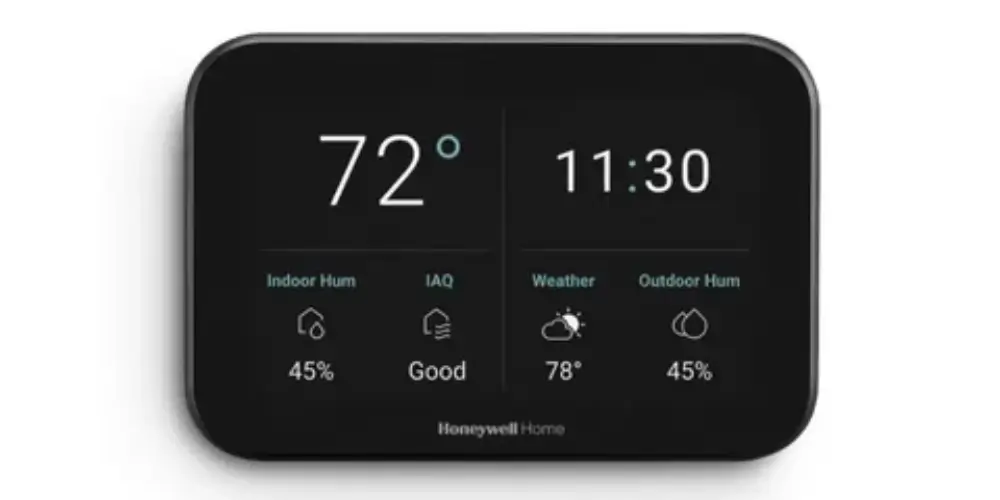
The Honeywell Home X7B is suitable for homeowners who want their thermostat to work as part of a broader connected home.
Energy Management
The thermostat can become part of broader smart-home routines that manage temperature according to schedules and household activity.
Best for: Smart-home users who want connected energy management.
Key Features & Technology
★
Smart temperature control
Lets you create automated temperature schedules for your home.
★
Wi-Fi connectivity
Connects the thermostat to your home network.
★
Remote control
Allows you to change temperature settings from your phone.
★
Energy management
Helps manage heating and cooling for more efficient energy use.
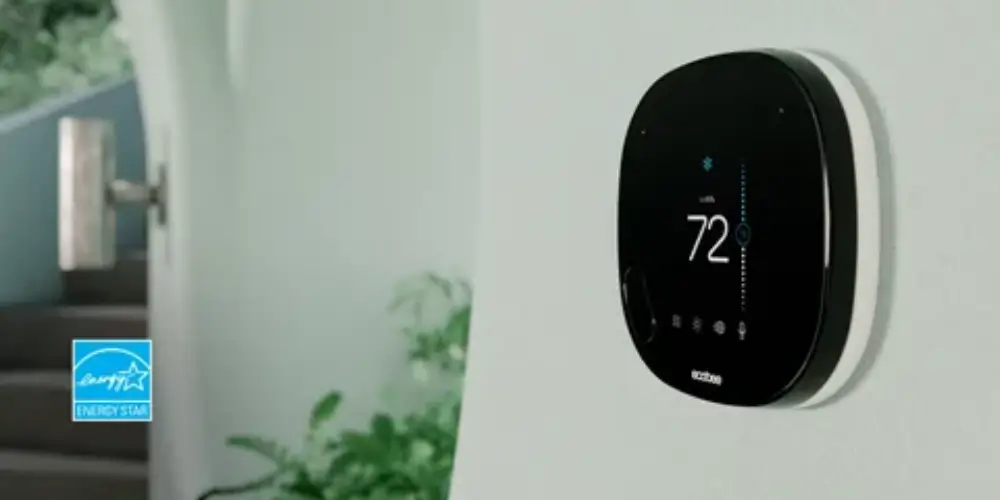
ENERGY STAR certification can help you compare eligible smart thermostats using an independent energy-efficiency benchmark.
Certification applies to specific products, not every thermostat in a manufacturer’s range. Check the official product listing to confirm whether the model you want is certified.
What to Look For
- Energy-saving scheduling
- Temperature adjustments for periods when the home is empty
- Energy-use feedback
- HVAC runtime information
- Remote control and automation features
Best for: Homeowners who want to consider independently evaluated energy-saving performance when comparing models.
Key Features & Technology
★
Energy efficiency
Helps reduce unnecessary heating and cooling energy use.
★
Programmable scheduling
Lets you set temperatures according to your daily routine.
★
Remote control
Allows you to adjust thermostat settings remotely.
★
Temperature monitoring
Helps track and manage indoor temperature levels.
Occupancy-Aware Smart Thermostat Best for Automatic Energy Savings When Away
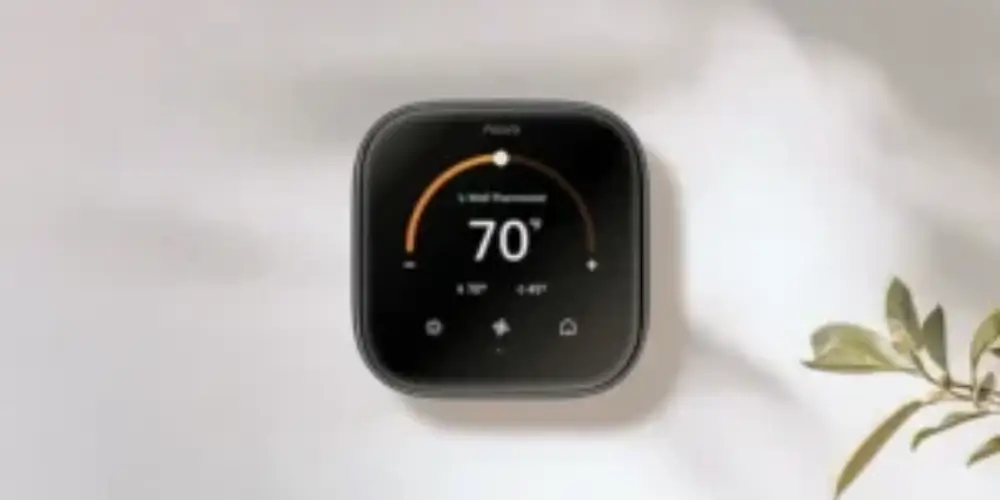
An occupancy-aware thermostat can detect whether people are home and adjust heating or cooling accordingly.
ENERGY STAR identifies both geofencing and direct presence detection as common ways smart thermostats can determine when a home is empty.
Example
Morning: Home → Normal comfort temperature
Work hours: Empty → Energy-saving temperature
Before returning: Presence detected → Restore comfort
Night: Occupied → Follow sleep schedule
Why It’s Useful
It prevents the HVAC system from continuously maintaining a comfort temperature when nobody is using the home.
Best for: Households with predictable periods when the home is empty.
Key Features & Technology
★
Room sensors
Uses additional sensors to monitor temperatures in different rooms.
★
Multi-room monitoring
Lets you monitor temperature conditions across multiple rooms.
★
Temperature balancing
Helps maintain more consistent temperatures throughout your home.
★
Smart scheduling
Lets you create temperature schedules for convenient automatic control.
Sensor-Compatible Smart Thermostat Best for Uneven-Temperature Homes

Temperature sensors can improve energy management when different areas of the home have different temperatures.
ENERGY STAR notes that temperature sensors can help manage temperature differences caused by factors such as insulation problems and sun exposure.
Useful Sensor Locations
- Upstairs rooms
- Bedrooms
- Home offices
- Living rooms
- Rooms with direct sunlight
- Frequently occupied spaces
Why It’s Useful
Instead of relying on a single temperature reading, a compatible thermostat can use additional room information to make better comfort decisions.
Best for: Large homes and homes with uneven temperature distribution.
Key Features & Technology
★
Wi-Fi connectivity
Connects the thermostat to your home network for smart control.
★
Remote control
Lets you adjust temperature settings from your smartphone.
★
Programmable scheduling
Allows you to set automatic temperature changes throughout the day.
★
Mobile app
Provides smartphone access to basic thermostat controls.
Best Smart Thermostats by Energy Management Feature
| Energy Management Need | Best Choice |
| Best Overall Energy Management | Google Nest Learning Thermostat (4th Gen) |
| Advanced Energy Management | ecobee Smart Thermostat Premium |
| Smart Scheduling | Google Nest Learning Thermostat (4th Gen) |
| Energy History | Google Nest Learning Thermostat |
| Occupancy-Based Savings | ecobee Smart Thermostat Premium |
| Simple Energy Savings | Google Nest Thermostat |
| Room-Based Energy Management | Honeywell Home X7S |
| Multi-Room Efficiency | Sensor-compatible thermostat |
| Certified Energy Savings | ENERGY STAR smart thermostat |
| Away Energy Savings | Occupancy-aware thermostat |
| Balanced Energy Features | ecobee Smart Thermostat Enhanced |
| Smart-Home Energy Control | Honeywell Home X7B |
Buying Guides
Look for Smart Scheduling
Scheduling lets you choose different temperatures for different times of day.
For example:
- Morning: Set a comfortable temperature before you wake up.
- Daytime: Use an energy-conscious setting while everyone is away.
- Evening: Adjust the temperature for your return.
- Night: Choose a setting that suits your sleeping routine.
A suitable schedule can reduce unnecessary heating and cooling without sacrificing comfort.
Consider Learning Features
Some thermostats can learn from your adjustments and help build a schedule around your routine.
These features can reduce the need for frequent manual changes. However, learning functions vary by model, so check the manufacturer’s specifications.
Check Occupancy Detection
Occupancy features can help a thermostat respond when the home is empty or people return.
Some systems use sensors, while others may use geofencing or a combination of methods. Check how the specific thermostat detects occupancy and whether the feature requires additional equipment.
Review Energy Reports
Energy reports can help you understand how your heating and cooling system operates.
Look for information such as:
- HVAC runtime
- Changes in usage over time
- Temperature schedules
- Factors that may affect energy use
Reports are useful for identifying patterns, but they do not always show your home’s exact electricity consumption or total bill.
Check Eco, Away, and Vacation Settings
Eco or Away settings can adjust temperatures when you do not need your usual comfort level.
Vacation settings can be helpful when you are away for several days. Choose settings that save energy while keeping your home and equipment within safe temperature limits.
Consider Room Sensors
A thermostat measures temperature at its own location. This may not reflect the conditions in every room.
Compatible room sensors can provide extra information from bedrooms, upstairs rooms, or areas exposed to direct sunlight.
Room sensors may improve comfort in homes with uneven temperatures. They do not necessarily control every room independently, so check how the specific system uses sensor readings.
Check Utility Programs
Some smart thermostats can work with utility demand-response programs. These programs may request temporary adjustments during periods of high electricity demand.
Availability depends on your utility and location. Review the program terms and check whether you can override adjustments when needed.
Confirm HVAC Compatibility
A thermostat must work with your heating and cooling equipment to manage it correctly.
Identify your system before purchasing:
- Central air conditioning: Check the thermostat’s cooling-system compatibility.
- Furnace: Confirm the supported heating connections.
- Heat pump: Check requirements for O/B and auxiliary heating connections where applicable.
- Multi-stage HVAC: Confirm support for the required heating and cooling stages.
- Dual-fuel systems: Check whether the thermostat supports your equipment configuration.
- Additional equipment: Verify support for accessories such as humidifiers or ventilation systems if you use them.
Always use the manufacturer’s compatibility checker or installation guide.
Check C-Wire and Power Requirements
Many smart thermostats need a reliable power supply for Wi-Fi and other features. Some systems use a C-wire, while others support an approved alternative.
Check the manufacturer’s wiring requirements before installation. If you are unsure about the wiring, consult a qualified HVAC technician.
Compare the Total Cost
Do not compare thermostats by their purchase price alone. Consider the cost of compatible sensors, adapters, installation, and any optional subscriptions.
Choose features that fit your home and routine rather than paying for functions you are unlikely to use.
Common Buying Mistakes to Avoid
- Buying a thermostat before checking HVAC compatibility.
- Assuming every model supports the same room sensors.
- Choosing a product based only on energy-saving claims.
- Ignoring wiring and power requirements.
- Expecting identical energy savings in every home.
- Paying for advanced features you will rarely use.
